
You have spent long enough figuring it out alone: What changes when you finally understand
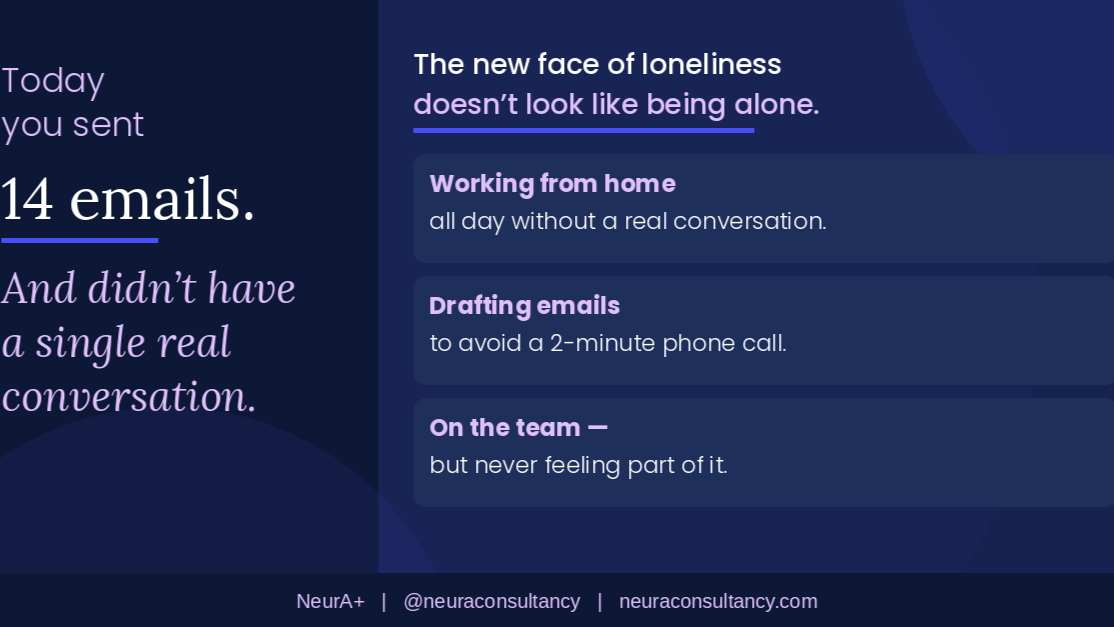
There is a particular kind of exhaustion that comes not from working too hard, but from not understanding yourself.
From spending years reacting to your own patterns and having no idea where they came from. From trying strategies that work for everyone else and wondering why they do not work for you. From carrying things that feel too heavy and too specific to explain to anyone around you and concluding, quietly, that you must simply be more broken than most.
You are not more broken than most.
You are operating without the right information about yourself and that changes the moment you start to get it.
Clarity is not a luxury, it is the beginning of everything. When you understand how your mind actually works, nothing is wasted, not the struggles, not the patterns, not the history that brought you here.
What it means to finally understand how you operate
Most people spend their entire lives managing the symptoms of patterns they have never examined. They know they overreact in certain situations, that particular environments drain them completely, that they respond to pressure in ways they later regret, but they do not know why. And without understanding the why, they can only manage the surface. They cannot change what is underneath.
Understanding how you operate means something specific and profound:
Knowing what genuinely drains your energy and why, so you can stop blaming yourself for needing recovery.
Recognising your own triggers before they overtake you, rather than only understanding them in retrospect.
Understanding why you respond the way you do under pressure, not as a flaw, but as a pattern with an origin.
Seeing the difference between who you truly are and the version of yourself you learned to perform for the world.
For neurodiverse individuals and for anyone whose nervous system has been shaped by stress, trauma, or years of operating in environments not designed for them , this kind of self-knowledge is not abstract. It is practical. It is the difference between white knuckling through life and actually living it.
Your patterns make sense. Here is why.
One of the most powerful things that happens inside NeurA+ is that people stop analysing, themselves. They begin to see their patterns not as evidence of something wrong with them, but as responses that made complete sense given what they experienced.
The behaviours that feel most confusing or frustrating, the ones you have tried to change through sheer willpower and failed , usually fall into one of three categories:
Learnt behaviour
The messages you absorbed in childhood about who you should be, how you should behave, and what makes you acceptable to the people around you. These become so deeply ingrained that they no longer feel like messages, they feel like facts about who you are, they are not.
Stress responses
Automatic reactions your nervous system built to protect you from repeated overwhelm or unpredictability. Your brain learned that certain responses , shutting down, overworking, controlling, appeasing, kept you safer. It is still running those programmes, even in situations where the original threat no longer exists.
The impact of traumatic events
Experiences that quietly rewired how you see yourself, how much you trust others, and how you move through the world. Trauma does not only come from catastrophic events. It comes from anything that overwhelmed your capacity to cope and left a mark on how your nervous system responds ever since.
You did not choose your patterns. You learned them. And what was learned can, with the right support, be understood, worked with, and changed.
The coping strategies that once kept you safe
Here is something that rarely gets said with enough compassion: many of the coping strategies that are now causing you problems once saved you.
People-pleasing kept relationships intact when conflict felt dangerous. Overworking kept the fear of failure at a manageable distance. Shutting down emotionally was the only way to survive situations that were genuinely overwhelming. Control gave you a sense of safety in environments that were unpredictable and frightening.
These were not weaknesses, they were intelligent adaptations.
The difficulty is that adaptations built for one context do not automatically update when the context changes. The nervous system that learned to brace for threat does not simply relax because the threat has gone. The person who learned that their needs were unsafe to express does not automatically feel safe expressing them in adulthood, even with people who genuinely welcome it.
And so the strategies persist and the cost of them grows.
People-pleasing erodes your sense of self and teaches others that your boundaries are negotiable.
Overworking accelerates burnout and keeps you permanently disconnected from what you actually need.
Emotional shutdown prevents the connection and support that would genuinely help.
Excessive control creates rigidity and exhaustion and rarely delivers the safety it promises.
Recognising these patterns is not about shame. It is about seeing them clearly enough to make a different choice and having the support to actually do it.
Learning what actually works for your nervous system
One of the most common sources of frustration for people who have tried to change is that they have tried strategies designed for someone else’s nervous system.
Generic wellness advice assumes a generic nervous system. But nervous systems are not generic. They are shaped by neurology, by history, by the specific ways stress and experience have wired your responses. What regulates one person can dysregulate another. What feels like self-care to most people can feel genuinely impossible to someone whose system is wired differently.
Inside NeurA+, the work is individual, it is about discovering:
Tools grounded in neuroscience, not one-size-fits-all advice that assumes your brain works like everyone else’s.
How to regulate your nervous system in real time, in real situations, in the life you are actually living.
Communication approaches that work with how your brain processes, not against it.
What rest, recovery and boundaries actually look like for you, not the idealised version that does not account for your reality.
This is not about finding a better productivity system. It is about finding yourself inside a world that was largely not designed with you in mind and building a life that genuinely fits.
You are not the only one. You never were.
Perhaps the most quietly devastating part of carrying these experiences is the conviction that you are carrying them alone. That the specific combination of things you feel, the patterns, the exhaustion, the sense of being fundamentally different from the people around you, is unique to you. A sign of something wrong that others would not understand.
It is not. And they would.
Inside NeurA+ people who have spent years believing they were uniquely broken discover, often within their first session or first week in the community, that they are surrounded by people who understand exactly what they are describing. Not approximately. Exactly.
That recognition is not a small thing. It is, for many people, the first time they have felt genuinely seen. And it changes something fundamental about how they carry what they have been carrying.
There is a particular kind of relief that comes not from solving a problem, but from finally not being alone with it. That is what community does. That is what NeurA+ was built for.
Because isolation compounds everything. It amplifies the shame, deepens the exhaustion, and reinforces the belief that you are uniquely incapable of being understood. Connection does the opposite. It does not fix everything, but it makes everything more workable.
The invitation
If you have read this far, I want to say something directly to you.
You have probably already tried some version of figuring this out alone. You have read the books, tried the strategies, told yourself you just need to be more disciplined, more consistent, more resilient. You have had periods where things felt better and periods where they felt impossible, and you may have concluded that this is simply how it is going to be.
It does not have to be:
NeurA+ was built for people who are done pretending they are fine and ready to actually understand themselves. People who are neurodiverse or burned out or both. People who have spent too long operating without the right information about their own minds. People who are ready to stop white-knuckling through life and start building something that actually fits.
Inside, you will find clarity on how your mind works, tools built for your nervous system, understanding of where your patterns came from, and a community of people who get it, because they are living it too.
You have spent long enough figuring it out alone.
Ready to finally understand yourself? Explore NeurA+ membership at www.neuraconsulting.co.uk
Follow NeurA+ on Instagram @neuraconsultancy for weekly education, support and honest conversation about mental health.